Breast Cancer
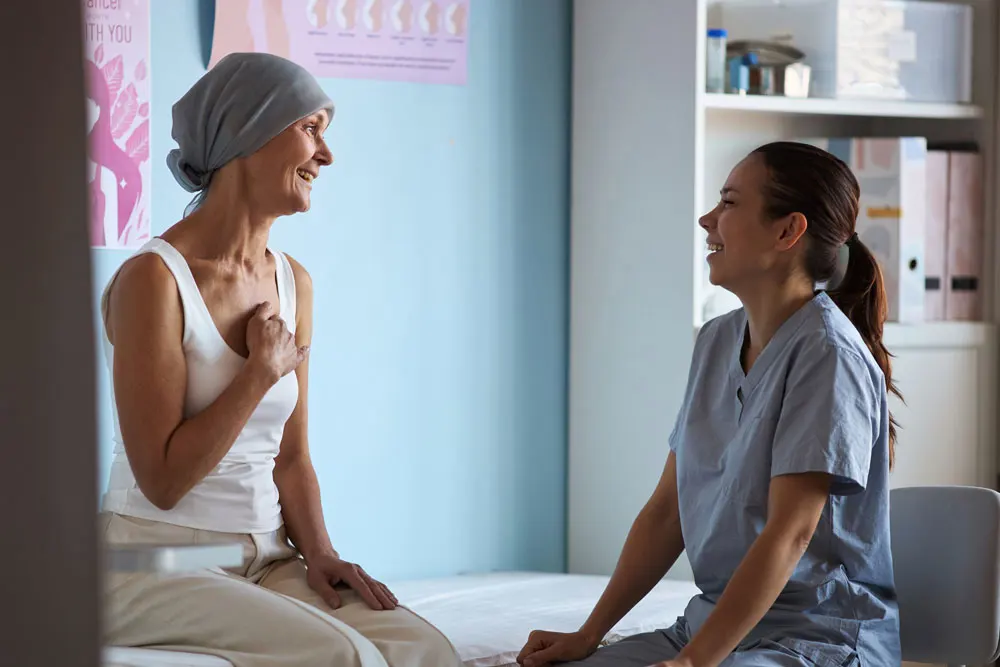
No two experiences with breast cancer are the same. Wherever you are in your journey, trusted information can help you and your loved ones move forward with hope.
If you have been diagnosed with breast cancer, the next step will be to find out what stage your cancer is. Doctors will perform a biopsy to learn the stage of your cancer, which helps determine how serious it is and how best to treat it.
Other imaging tests may be needed to get more details, such as how fast the cancer is growing and if it has spread.
Types of Breast Cancer
Breast cancer is not a single disease. Breast cancers and high-risk breast conditions can include:
- Ductal carcinoma in situ (DCIS), lobular carcinoma in situ (LCIS), and other in situ conditions
- HER2-positive breast cancer
- Hormone receptor-positive breast cancer
- Inflammatory breast cancer
- Invasive ductal / no special type and invasive lobular breast cancers
- Male breast cancer
- Metastatic breast cancer
- Recurrent breast cancer
- Triple-negative breast cancer
Treatment Options Available at Hawai‘i Pacific Health Cancer Centers
To help address the health needs of our unique island population, the Hawaiʻi Pacific Health Cancer Centers are proud to be leaders in the diagnosis and treatment of women’s cancers in Hawaiʻi.
Our multidisciplinary cancer care teams include doctors, nurses, social workers, technologists, dietitians, and other healthcare professionals who are all dedicated to providing you with quality cancer care and support throughout your cancer journey.
With locations and virtual care options across Hawaiʻi – including our nationally accredited breast centers at Kapiʻolani and Pali Momi Women’s Centers – we offer a wide array of services and preventive health screenings so you can remain at home, close to your support system, for treatment and recovery.
Breast Cancer Treatment Options
Your treatment plan is tailored to your diagnosis, preferences, and overall health. Treatment may include:
Surgery
Surgery
Procedures such as lumpectomy or mastectomy to remove cancer, often combined with reconstruction planning. When appropriate, surgeons may use advanced techniques such as magnetic seed localization to precisely locate the tumor before surgery or Hidden Scar approaches that place incisions in less visible areas.
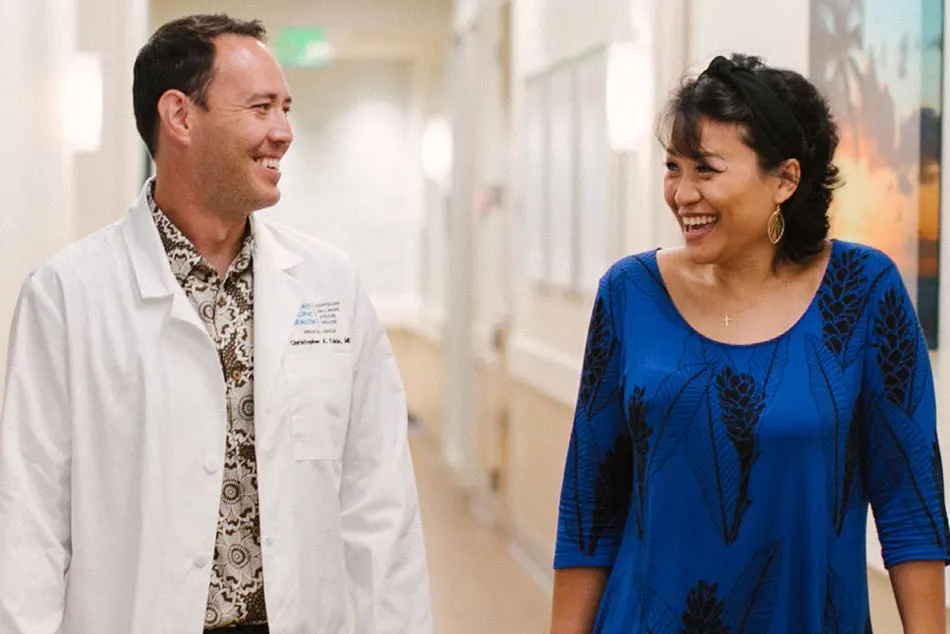
Our specialty trained surgeons offer techniques designed to treat cancer while preserving healthy tissue and appearance whenever possible, and they work closely with plastic and reconstructive surgeons when reconstruction is part of your care plan.
Medical Oncology
Medical Oncology
Treatments such as chemotherapy, targeted therapy, immunotherapy, or hormone therapy are available. Your oncology team will recommend which systemic therapies are right for your specific cancer.
Radiation Therapy
Radiation Therapy
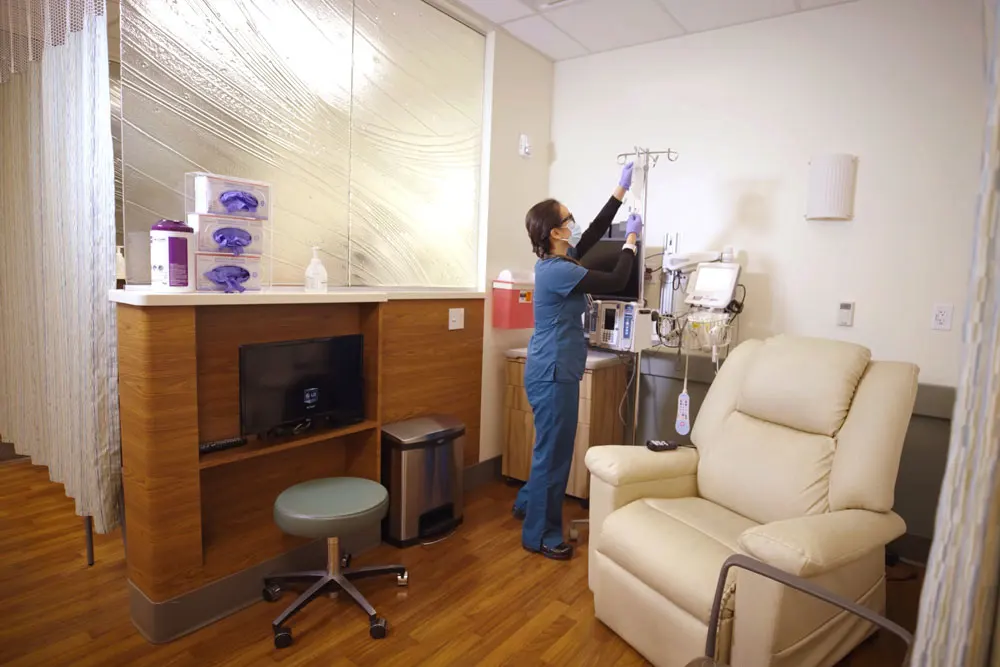
Radiation may be recommended as part of your treatment plan.
Advanced Breast Imaging and Diagnostics
Advanced Breast Imaging and Diagnostics
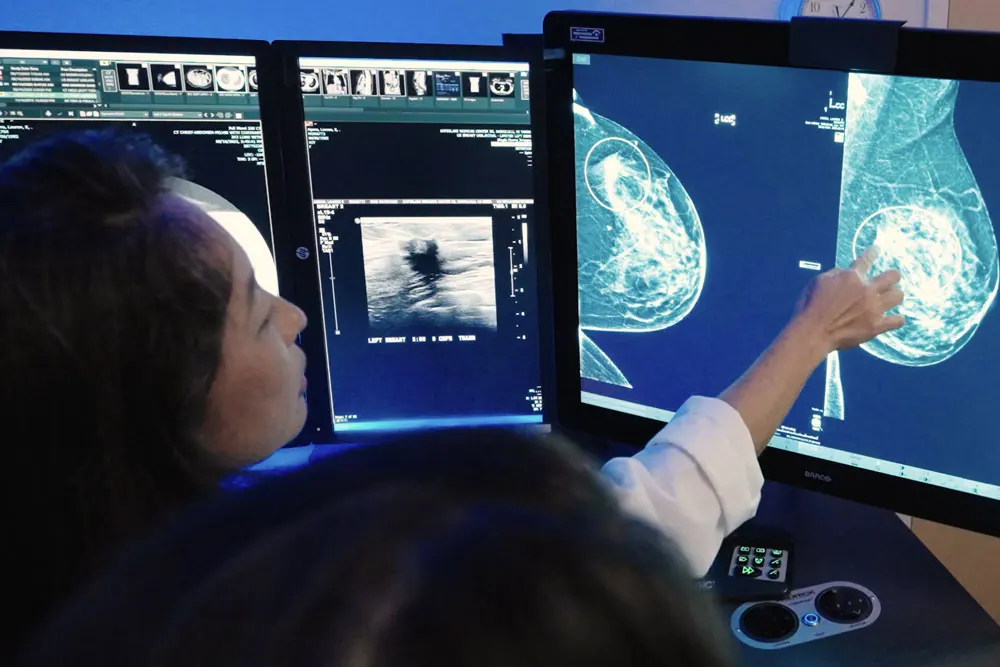
Our partners at the Hawaiʻi Pacific Health Women's Centers offer ultrasound-guided core biopsies, nonsurgical breast biopsy, cyst aspirations, breast MRI, imaging services as well as breast cancer pre-treatment conferences to support your treatment plan.
Clinical Trials
Clinical Trials
Access to clinical trials may be available for eligible patients. Participation in a clinical trial can provide access to promising new treatments and contributes to advances in cancer care for future patients.

Palliative and Supportive Care
Palliative and Supportive Care
Palliative care focuses on improving your quality of life throughout treatment by managing symptoms such as pain and fatigue.
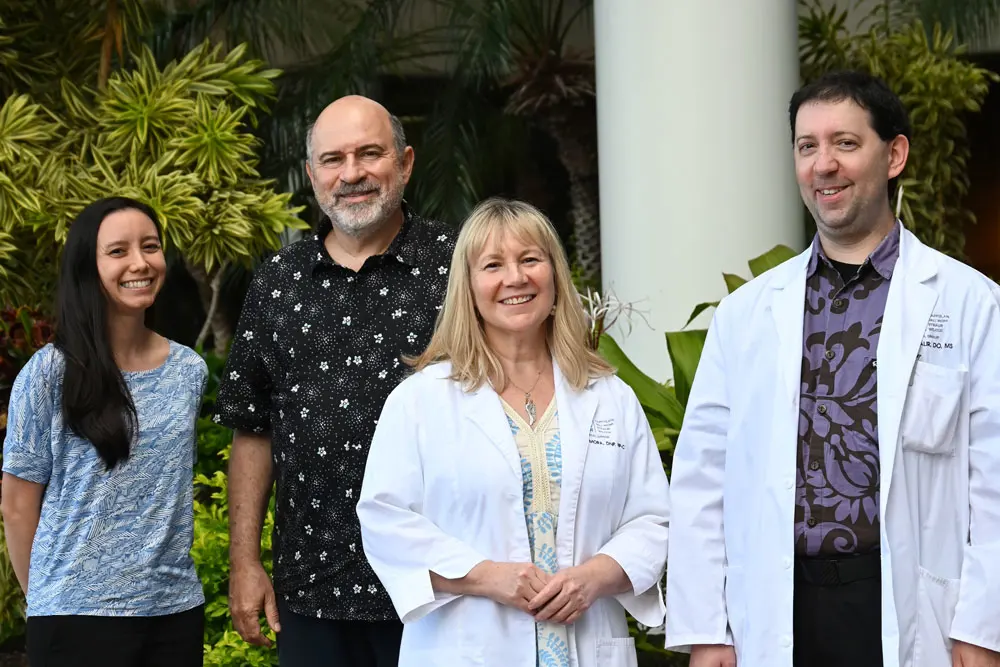
Our team works alongside your oncology team to provide this support from the time of diagnosis.
Rehabilitation and Survivorship
Rehabilitation and Survivorship
Cancer care doesn’t stop when treatment is done. Support services are available to help you recover, regain strength, and transition after treatment.
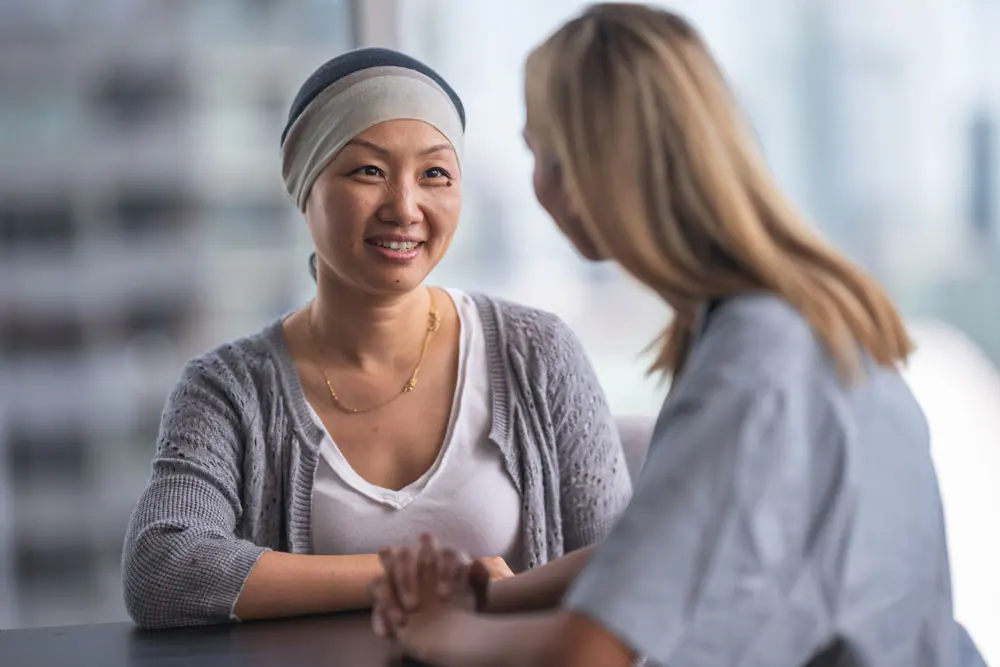
Working with you and your loved ones, our specialists offer support and guidance throughout the transition from active treatment to survivorship.
Onward After Breast Cancer
Due to a family history of breast cancer, Anj Oto started regular mammogram screening at age 30. It was during one of her annual screenings that Anj received a diagnosis of Stage 0 Ductal Carcinoma in Situ (DCIS) breast cancer at age 33.
She underwent a lumpectomy to remove the cancerous calcifications. As a result of the surgery, her pathologist found that she also had Invasive Ductal Carcinoma (IDC) cells, which advanced her diagnosis to Stage 1, ER+ (estrogen receptor positive), HER2+ (human epidermal growth factor receptor 2 positive) breast cancer.
Her experience inspired Anj to share her cancer journey and encourage other women to be proactive in their healthcare and to learn their family history.
Watch her full story.
View transcript
ERIC OTO: What made me fall in love with Anj? She's a beautiful person inside and outside.
ANJ OTO: Eric and I got married in 2020, and we had been trying to conceive for a couple of months when I went in for my annual mammogram. That mammogram led to two biopsies, and that was how I was diagnosed with breast cancer.
WENSHENG TRACY WU, NP: Andrea was diagnosed with early-stage breast cancer. It was hormone receptor positive and HER2 receptor positive, which is an aggressive subtype of breast cancer.
ANJ OTO: I have a family history of breast cancer. My maternal grandmother was diagnosed in her 60s. My mom was also diagnosed with breast cancer in her late 30s.
BETTY TAMAYO, ANJ's SISTER: I was very scared, knowing that our grandmother did die from breast cancer. It was very frightening to know that my baby sister was going to have to now go through the same journey.
DR. JAMI FUKUI: It's always hard to see situations like Anj has gone through. We really try hard to detect breast cancer early. Because of family history, there was already some understanding of what to expect. Unfortunately, we needed to give very aggressive treatment for a more aggressive type of breast cancer, which included not only surgery, but chemotherapy.
ANJ OTO: Going through chemo was the hardest thing I've ever done in my entire life. It impacted me so much physically, but also mentally, too. I honestly just felt really down and really depressed towards the end of chemo because it had just been week after week of dealing with these side effects.
ERIC OTO: It was super difficult to see someone you love and care for so much go through that. And what killed me was when I would see people there by themselves, without family, without friends. I couldn't imagine going through that without that support.
ANJ OTO: Just before my second-to-last chemo, I started an Instagram page where I shared some tips on how to navigate side effects, on what to bring with you to chemo, and that quickly morphed into a community of survivors, and thrivers, and previvors on social media.
DR. JAMI FUKUI: We really appreciate Anj sharing her story. It's a very brave thing to do, and it opens up so many doors for other people who are going through the similar thing.
BETTY TAMAYO: As we were discussing the course of her treatment and when she was nearing the end, we talked about different ways of celebrating.
ANJ OTO: So a lot of people in cancer clinics around the world, when they complete treatment, they will ring a bell.
BETTY TAMAYO: As she exited from her last treatment, we were able to present her the bell that I donated to the cancer center.
[Anj rings bell as providers and friends cheer.]
DR. JAMI FUKUI: After all these treatments that she received, she is now cancer-free.
ANJ OTO: I can't imagine going through treatment and getting care anywhere else. I truly believe that I have the best care team in the universe.
DR. JAMI FUKUI: Anj's story really helps to showcase how important it is to have early detection and screening, and sometimes in a high-risk program. It's important to understand your health, your family history, and really tailor treatments and management according to that.
ANJ OTO: I truly believe that early detection saved my life. If it were not for that mammogram at Kapiʻolani, I don't know where I would be today, but it certainly would not be where I am right now.
Schedule your mammogram today.
As a third-generation breast cancer survivor, Anj Oto stresses the importance of knowing your family health history and early health screenings.
Meet Our Breast Cancer Care Team
Breast Surgeons
-
Laura Peterson, MD
General Surgery
-
Christopher Tokin, MD
Plastic Surgery
Breast Oncologists
-
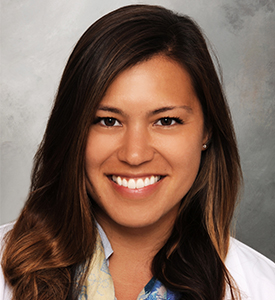
Jami Fukui, MD
Hematology/Oncology, Breast Cancer, Clinical Trials
-
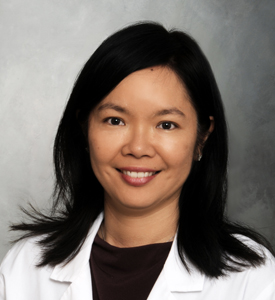
Michelle Miyashiro, MD
Hematology/Oncology, Breast Cancer


