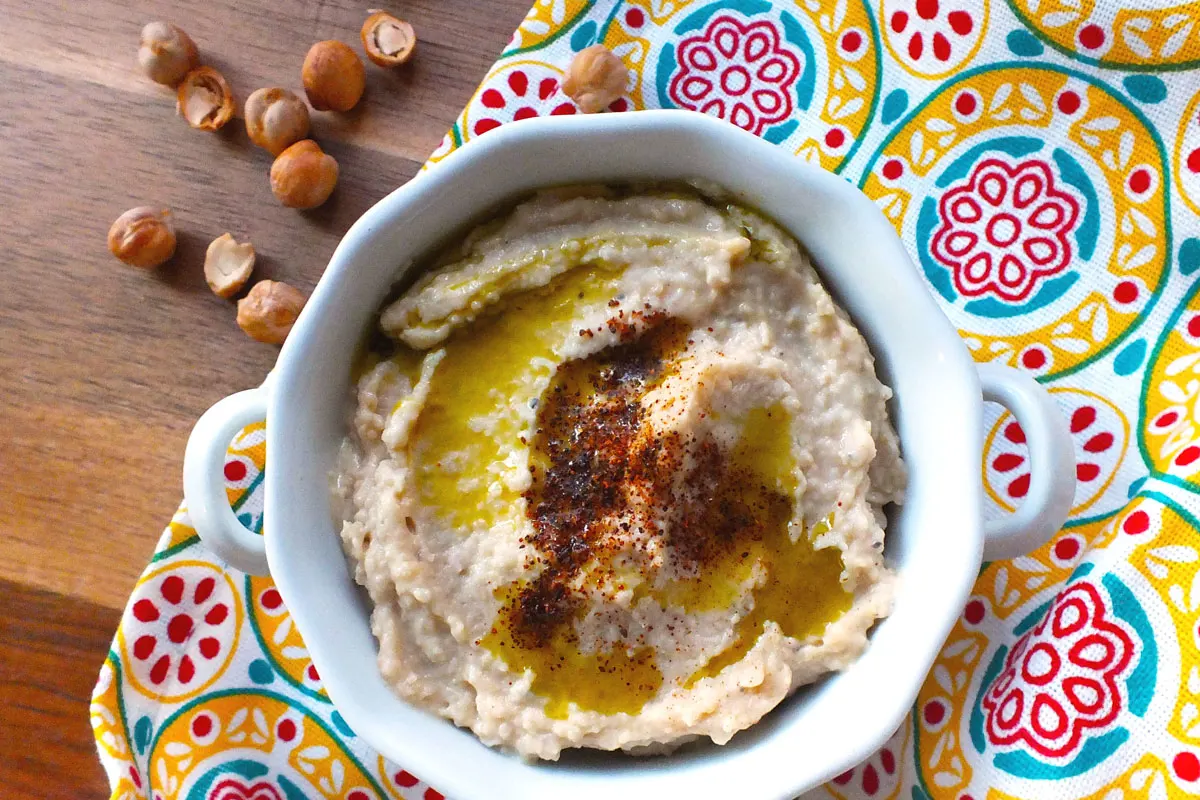
Traditional Garlic Hummus
Published May 10, 2015
The incidence of food allergies and intolerances is on the rise.
Luckily for patients at Hawaiʻi Pacific Health’s network of hospitals, each cafeteria features something for everyone’s taste.
“It is important for our hospital to offer options for patients with food allergies,” says Rebecca Izawa, a registered dietitian at Kapiʻolani Medical Center for Women & Children.
“Kapiʻolani is not an ‘allergy-free’ cafeteria because many of the food items that contain milk, eggs and peanuts contain vital nutrients such as protein, calcium, fiber and vitamin D,” Izawa notes. “But we do try to accommodate many food preferences and have a wide variety of choices for those who have dietary restrictions.”
For those who are allergic to eggs, milk and peanuts, Kapiʻolani offers the following choices:
- Greens at the salad bar.
- Grilled chicken with rice or potatoes.
- Somen or udon noodles (on occasion).
- Hummus.
- Fresh fruits.
- Steamed vegetables.
- Sorbet or fruit bars.
- Fruit juice.
- Soy milk.
Here, the Kapiʻolani Food and Nutrition Services staff shares its recipe for hummus.
Made from smashed garbanzo beans, also known as chickpeas, hummus is a versatile dish from the Middle East. The legumes provide protein, fiber and a number of essential vitamins and minerals, while the combination of olive oil and tahini (a paste made from sesame seeds) supplies heart-healthy unsaturated fat.
Use it as a dip for fresh veggies, or smear it on a pita or other whole-wheat bread in place of empty-calorie spreads.
Directions
Using a food processor, blend tahini and lemon juice.
Add oil, garlic, cumin and salt; blend.
Add garbanzo beans and water; blend until smooth consistency.
Nutritional Information
Serving size: 2-tablespoon serving
Calories: 70
Carbohydrates: 3g
Protein: 2g
Total Fat: 4g
Saturated Fat: 0.5g
Cholesterol: 0mg
Dietary Fiber: 1g
Sodium: 140mg
Sugar: 0g
For more allergy-friendly options, check out:
Pali Momi Medical Center's O'Brian Potatoes
Wilcox Medical Center's Spinach Artichoke Casserole


