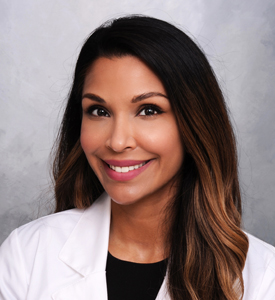
Sanah Christopher, MD
Interventional Cardiology
Kapiolani Medical Center for Women & Children
Pali Momi Medical Center

Hawaii Pacific Health Heart Centers are home to a distinguished team of expert cardiologists who are setting the bar for cardiovascular care and cutting-edge technology for heart services in Hawaiʻi.
Our Heart Centers bring together providers who diagnose and treat the full spectrum of heart and vascular conditions for all patients, from infants to those with advanced disease.
Hawaii Pacific Health Heart Centers are home to a distinguished team of expert cardiologists who are setting the bar for cardiovascular care and cutting-edge technology for heart services in Hawaiʻi. Our Heart Centers brings together four medical centers — Kapiʻolani, Pali Momi, Straub Benioff and Wilcox — who work together to diagnose and treat the full spectrum of heart and vascular conditions for all patients, from infants to those with advanced disease.
Arrhythmias occur when there is a problem with the electrical system that is supposed to regulate a steady heartbeat. With an impaired electrical system, your heart may beat too fast, too slow or irregularly.
Coronary artery disease (CAD) occurs when the arteries that bring blood to the heart muscle (coronary arteries) become hardened and narrowed. CAD is the most common type of heart disease and may also be known as coronary heart disease (CHD), heart disease and ischemic heart disease.
A heart attack (myocardial infarction) happens when one or more areas of the heart muscle do not get enough oxygen. This happens when blood flow to the heart muscle is blocked. A heart attack can happen to anyone. When you take the time to learn which risk factors apply to you, you can take steps to eliminate or reduce them.
When heart valves fail to open and close properly, the effects on the heart can be serious, possibly hampering the heart's ability to pump enough blood through the body. Heart valve problems are one cause of heart failure.
The heart is a muscle that pumps oxygen-rich blood to all parts of the body. When you have heart failure, the heart is not able to pump as well as it should. Blood and fluid may back up into the lungs (congestive heart failure), and some parts of the body do not get enough oxygen-rich blood to work normally. These problems lead to the symptoms of heart failure.
High blood pressure, or hypertension, directly increases the risk of heart attack and stroke. With high blood pressure, the arteries may have an increased resistance against the flow of blood, causing the heart to pump harder to circulate the blood. Usually, high blood pressure has no signs or symptoms. However, you can identify if you have high blood pressure by checking it yourself or by having it checked regularly by your health care provider.
A vascular disease is a condition that affects the arteries or veins. Most often, vascular disease affects blood flow. This happens when the blood vessels become blocked or weakened, or when the valves in the veins become damaged. Organs and other body structures may be damaged by vascular disease if blood flow is decreased or fully blocked.
Cardiac rehabilitation is a program designed to improve heart recovery, improve your ability to function, and prepare you for future daily activities. People in this program may have had a heart attack or heart surgery. Cardiac rehab can often help you get better at your daily tasks. It may ease your symptoms and give you a sense of well-being.
Genetic variations within our DNA can result in cardiac conditions, such as Hereditary Arrhythmia Syndrome (HAS). In this case, genetic mutations affect the heart cells responsible for the healthy flow of electrical signals that control the heartbeat.
Diagnosing and treating heart disease in children can be complex and requires clinical care by a pediatric cardiac specialist or other health care professionals. At the Hawaiʻi Pacific Health Heart Centers, our team of physicians and support staff are capable of handling some of the most challenging pediatric heart conditions in the state.
Kapiolani Medical Center for Women and Children is the only health center in the State of Hawaiʻi that offers comprehensive cardiac services to children and young adults with heart problems and congenital heart defects. Our dedicated and highly trained pediatric cardiologists provide exceptional, world-class cardiac care. Kapiʻolani's Congenital Heart Center exists so that children and adults with congenital heart disease have a medical place to call home in Hawaiʻi.
Our pediatric cardiologists deliver:
Pediatric Heart Center and Cardiac Catheterization Laboratory
Kapiolani Medical Center for Women & Children has expanded care for Hawaiʻi’s children and families with its new comprehensive Pediatric Heart Center, opened in 2023.
In the past, children with heart disease often had to travel more than 2,500 miles to the next full-service specialty children’s hospital on the U.S. mainland. This can be expensive and challenging for medically fragile patients. In many cases, it also means separating families for weeks or months as one or both caretakers need to remain in Hawaiʻi work or to care for other young children.
Opened in 2023, the Pediatric Heart Center means Kapiʻolani can provide even more lifesaving surgeries and procedures for its youngest patients year-round, here at home.
The Kapiʻolani Pediatric Heart Center includes the first pediatric cardiac catheterization laboratory in the state and was the first to offer the minimally invasive Harmony™ valve procedure for patients with congenital heart defects. This allows Kapiʻolani’s team of physicians, surgeons, nurses and other experts broader diagnostic capabilities and the ability to fix some cardiac conditions without open-heart surgery.
Patients are often discharged the next day, compared to the longer recovery time of traditional open-heart surgery.
Treating Congenital Heart Disease at All Ages
The Harmony™ Transcatheter Pulmonary Valve
The Harmony™ valve is used in cases of pulmonary valve regurgitation, a potentially life-threatening condition where in which a valve doesn’t close all the way, and allowing blood to flow back into the heart. This is a minimally invasive procedure that is an alternative to open- heart surgery. Patients are often discharged the day following the procedure.
Fetal Cardiology
Fetal cardiology evaluates the developing heart before birth using targeted ultrasound to assess structure, function, rhythm, and blood flow. At Kapiʻolani, we provide comprehensive fetal echocardiography and maternal counseling that explains findings and likely postnatal needs in plain language. Care plans are coordinated with obstetrics, maternal–fetal medicine, and neonatology to optimize delivery timing and location. When heart disease is identified, we arrange immediate newborn evaluation and, if needed, transfer pathways for surgery or catheter-based care. For families with genetic concerns or a history of heart defects, we also facilitate genetic counseling and family screening.
Newborn and Infant Heart Care
Newborn and infant cardiology focuses on early recognition and stabilization of heart conditions in the first months of life. Our team provides bedside echocardiography, electrocardiography, and pulse oximetry–based assessments in the nursery and NICU (Critical Congenital Heart Disease screening). We develop step-by-step care plans that include nutrition, medications, and safe follow-up schedules after discharge. Parents receive clear instructions on warning signs and 24/7 access for urgent questions. When needed, we coordinate seamless transitions to surgery, catheterization, or advanced imaging without delay.
Advanced Imaging Services
Advanced cardiac imaging offers detailed anatomical and functional information that guides diagnosis and treatment. We provide transthoracic and transesophageal echocardiography (including 3D), cardiac MRI for tissue characterization and flow quantification, and cardiac CT for precise anatomical mapping when necessary. Imaging protocols are tailored to minimize radiation and sedation whenever possible. Results are reviewed in multidisciplinary conferences to align imaging findings with surgical or catheterization strategies. Families receive clear explanations and, when useful, annotated images to support understanding and shared decisions.
Interventional Cardiology and Catheterization
Transcatheter cardiology treats selected heart problems through minimally invasive procedures performed in our state-of-the-art cardiac catheterization laboratory. We provide diagnostic catheterization to measure pressures and oxygen levels and perform interventions such as closure of heart defects and holes in the heart, opening or replacing narrowed heart vales, and stent placement for narrowed vessels. These approaches offer shorter hospital stays and speedy recovery compared with open heart surgeries. Care pathways standardize pre-procedure evaluation, anesthesia, and post-procedure follow-up for safety and consistency. For complex anatomy, we collaborate with surgery and imaging to choose the right therapy at the right time.
Heart Surgery
Pediatric and congenital cardiac surgery addresses structural heart defects using techniques designed for growing children. Our surgical team repairs a broad spectrum of conditions—from simple holes and valve lesions to complex heart defects—using modern perfusion and myocardial protection strategies. We prioritize pain control, early mobilization, and feeding to shorten recovery and improve comfort. Multidisciplinary rounds align surgeons, intensivists, cardiologists, and nurses around daily goals of care. After discharge, families receive a written plan and close follow-up with our outpatient team to support healing at home.
Pediatric Electrophysiology
Electrophysiology evaluates and treats abnormal heart rhythms, including fast, slow, and irregular beats in children and adolescents. Our program offers ECG, Holter and event monitors, extended patch monitoring, and exercise testing to clarify symptoms such as palpitations or syncope. Management ranges from observation and lifestyle adjustments to medications, catheter ablation, or device therapy (pacemakers/ICDs) when appropriate. We use age-appropriate sedation and mapping technologies to improve precision and reduce procedure time. Return-to-play guidance is coordinated with families, schools, and athletic programs to keep kids safely active.
Pediatric Heart Failure and Pulmonary Hypertension
This specialty manages reduced heart function and elevated lung pressures across the pediatric age range. We tailor pharmacologic therapy, nutrition, and activity guidance to each child and use remote and in-clinic monitoring to reduce emergency visits and admissions. Diagnostic tools include echocardiography, cardiac MRI, cardiopulmonary exercise testing, and catheterization when indicated. For advanced disease, we coordinate evaluation with regional transplant and mechanical circulatory support programs, maintaining continuity of care locally whenever possible. Education for families covers medications, device care, growth and development, and school/sports planning.
Adult Congenital Heart Disease
Adult congenital cardiology provides lifelong specialty care for individuals born with heart defects as they transition from pediatric to adult services. Our program supports self-management skills, reproductive counseling, and coordination with primary care and subspecialists. We monitor for late complications—such as arrhythmias, valve disease, and heart failure—and address lifestyle, employment, and family planning considerations. Shared clinics and warm handoffs reduce gaps in follow-up during the teen and young adult years. When advanced procedures are needed, we coordinate care with our adult heart centers taking advantage of the entire palette of heart specialists at the hospitals of Hawaiʻi Pacific Health.
Research in Pediatric Cardiology
Research translates scientific discovery into improved care for children with heart disease. Our team participates in studies on Kawasaki disease and coronary outcomes, inherited arrhythmia syndromes and family screening, and artificial intelligence–enhanced ECG interpretation to improve detection and risk stratification. Findings are shared through peer-reviewed publications and community education, and eligible families may be invited to join ongoing studies. Data quality, privacy, and equity in access are central to our research approach. By integrating research with daily practice, we bring emerging advances to the bedside sooner and more reliably.
Treating Congenital Heart Disease at All Ages
Did you know that congenital heart defects occur in 1% of children, making them the most common birth defects? But their prevalence doesn’t make it any easier when they afflict someone you love. That’s why our highly trained pediatric cardiologists are there to support you and yours.
Babies born with congenital heart defects grow up to be adults. That’s why our center was the first to treat adults with congenital heart defects in Hawaiʻi, and is the only center with board certified Adult Congenital Heart Disease specialists in the entire State of Hawaiʻi.
Arrhythmias in Children
Electrical disorders of the heart can be confusing. This is because, while the heart itself may be healthy, the “wiring” can be off—similar to the systems in a house. If your child is born with, or develops such a disorder, remember one thing. Diagnosing and treating these disorders in children is our expertise. So you’ve come to the right place.
Since 2014, our cardiac screening program has been keeping young athletes competing for the University of Hawaiʻi healthy and safe. Our team is uniquely equipped to spot potentially life threatening conditions with the goal of preventing tragic outcomes.
Life Threatening Heart Conditions
So many conditions affect the cardiac function in children. But regardless of the cause, our center is equipped to provide expert treatment such as specialized medications, temporary cardiac pacing and circulatory support, just to name a few.
Without our team of cardiac anesthesiologists, intensivists and cardiologists, cardiac surgeries wouldn’t be possible. Our intensive care specialists take the best possible care of each child (and adult) as they recover from whatever heart surgery they’ve had in our hospital.
Kawasaki Disease
A very common acquired heart affliction in children, Kawasaki disease is one of our key areas of medical expertise. Collaboration between leading experts in the fields of infectious diseases and cardiology means that your child’s treatment will be safe, comprehensive and effective unlike anywhere else.
Excellence in Research
Thanks to funds from prestigious institutions such as the National Institute of Health and the American Heart Association, cutting-edge research drives every decision we make about the care we provide.
Notable examples include:
Participation in worldwide studies on inherited arrhythmia syndromes.
Kapiolani Medical Center for Women & Children
Physician Tower, Suite 950
1319 Punahou St., Honolulu, HI 96826
808-983-6000
Directions
Office Hours
Everyday: 8 a.m.-4:30 p.m.
Public Parking Garage
Entrance is located off of Bingham Street.
Valet Parking
Entrance is located off of Bingham Street
in the patient drop-off zone.
Monday-Friday: 8 a.m.-4:30 p.m.,
closed weekends.
Pali Momi Heart Center has the largest and most experienced cardiac team in the area and the only interventional cardiac catheterization unit in Central and West Oʻahu providing lifesaving treatment in emergencies. Our commitment to the latest treatment options and innovative technology make us a leader in cardiac care. Our highly trained cardiologists offer a depth of expertise across a range of cardiac conditions from coronary and structural heart disease to arrhythmias and heart failure. All heart surgical procedures are performed using minimally invasive techniques, offering less discomfort and a faster recovery.
Saving 100 minutes can save your life.
In the event of a heart attack, Pali Momi Medical Center’s Interventional Cardiac Catheterization Unit brings lifesaving care 100 minutes closer to West and Central Oʻahu residents. We can immediately perform angioplasty, stent placement and other critical procedures right at Pali Momi. The lifesaving treatment is provided without the delay of transport to a Honolulu-based hospital.
The Pali Momi Heart Center offers treatments and services for a wide range of heart conditions and diseases to improve the heart health of our patients, including for the following:
Pali Momi’s fully integrated interventional cardiac catheterization suite is equipped with the latest technology, providing advanced imaging capability to assist physicians in making a diagnosis. Diagnostic services include:
CardioMEMS Heart Failure System Implant
Unique to Pali Momi, this new technology helps monitor your heart after heart failure. During a minimally invasive procedure, the system uses wireless monitoring sensors to directly measure pulmonary artery pressure.
Electrophysiology Studies
Pali Momi conducts tests to better understand the nature of abnormal heart rhythms (arrhythmia) by testing the electrical activity of the heart. Results of these tests help determine whether a heart treatment will include medication, a pacemaker, an implantable cardioverter defibrillator (ICD), cardiac ablation or surgery.
Cardiac Magnetic Resonance Imaging (Cardiac MRI)
Our cardiologists evaluate patients with a wide-range of cardiac conditions by creating detailed images of the heart with a non-invasive imaging tool that uses a magnetic field, radio waves and a computer. The image acquisition, processing, and interpretation require a dedicated and well-trained.
Coronary Angiogram
Our cardiologists perform a minimally invasive procedure that allows access to coronary circulation and the chambers of the heart. A catheter is used to complete this procedure for both diagnostic and interventional treatment purposes.
Echocardiogram (ECHO), including Transesophageal Echocardiogram (TEE)
Also known as a cardiac ECHO or simply an ECHO, this technology is used by our facility to take sonograms (pictures) of the heart to assess cardiac valve function and cardiac output.
Exercise Stress Testing
Our heart center uses various tests to measure how the heart responds to exertion in a controlled clinical environment. These tests typically involve walking on a treadmill at increasing levels of difficulty while your vital signs are monitored. Physicians perform treadmill stress tests as well as pharmacological stress tests and echo stress test.
Electrocardiogram (EKG)
Pali Momi uses electrocardiogram to measure the rate and regularity of your heartbeats. The EKG also tells our doctors the size and position of the chambers of your heart and if there is any damage present.
Cardiac CT scan
This diagnostic test uses a CT scanner, which creates a picture of your cardiac system or part of your system that helps our cardiologists to know if there are health related problems that require treatment.
Arrhythmia Detection & Monitoring:
Our team monitors and detects arrhythmias using with the help of several different devices for accurate results including holter monitors, Ziopatch, loop recorders and 12-lead monitoring EKG.
Pali Momi Medical Center has the only interventional cardiac catheterization unit in Central and West Oʻahu, providing lifesaving treatment in emergencies. Our team is highly trained and experienced to assist with routine as well as the most complex procedures. Treatments we provide include:
Coronary Angioplasty (PCI)
Procedure used to treat narrowed coronary arteries of the heart, due to coronary heart disease.
Pacemaker Insertion
A pacemaker is a medical device that sends electrical impulses to your heart to help regulate your heartbeat. The pacemaker is inserted through a minimally invasive procedure and remains inside of you to ensure your heartbeat is steady.
AICD (Automatic Internal Cardioverter Defibrillator) Insertion
Similar to the pacemaker, the AICD is a medical device that helps your heart and is inserted using a minimally invasive procedure. However, instead of consistent steady regulation of your heartbeat, the AICD only sends electrical impulses when it detects a cardiac arrhythmia, or an irregularity in your heart beat.
Cardioversion
This procedure allows your doctor to change an abnormally fast heart rate or a cardiac arrhythmia to a normal heart rate. This can be done through either electrical stimulation or prescription medication administered at the hospital.
All surgical procedures are performed using minimally invasive techniques, where we eliminate the need for a large incision during surgery. This advanced technique offers patients less discomfort and a faster recovery.
Left Atrial Appendage Occlusion - Amulet™ Insertion
Through insertion of an Amulet™ implant, this minimally invasive procedure that helps prevent strokes caused by atrial fibrillation by blocking blood clots from flowing back into the bloodstream.
Pali Momi Medical Center
98-1079 Moanalua Road, Aiea, HI 96701
808-485-4553
Directions
Office Hours
Monday-Friday: 8:00 a.m. - 4:30 p.m.
Public Parking:
The Pali Momi Medical Center parking entrance is located off of Haukapila Road or Moanalua Road. Open 24 hours/7 days a week
Straub Benioff offers a full range of services in adult cardiology. It also offers pediatric cardiology and pediatric arrhythmia through its affiliate hospital, Kapiʻolani.
Straub Benioff’s team of physicians and professionals provide non-invasive and minimally-invasive diagnostic evaluation using procedures such as angiograms, echocardiograms, Holter monitoring, exercise tolerance testing, thallium stress-testing and electrophysiology testing.
Straub Benioff's cardiovascular team has also led Hawaiʻi in the introduction of minimally invasive surgical procedures, which can dramatically lower trauma and discomfort to the patient and shorten recovery time.
Beginning April 1, 2024, providers from the Straub Benioff Cardiothoracic Surgery and Structural Cardiology clinics are relocating to the Strode Building 2nd Floor.
Heart Services
Watchman™ Implants: Measuring about the size of a quarter, the Watchman™ device helps prevent blood clots that can lead to strokes in people with non-valvular atrial fibrillation (AFib).
Straub Benioff Medical Center
888 S. King St., Honolulu, HI 96813
808-522-4000
Directions
Visiting Hours
Everyday: 4-8 p.m.
Public Parking Garage
Entrance is located off of King Street.
Open 24 hours/7 days a week.
Valet Parking
Entrance is located off of King Street,
in the patient drop-off zone.
Monday-Friday: 8 a.m.-4 p.m.
Straub Benioff Heart Center:
808-522-4222
Straub Benioff Electrophysiology Department:
808-522-2547
The Cardiac Services Department at Wilcox Medical Center offers a wide range of adult non-invasive cardiovascular services including echocardiography, exercise stress testing, cardiac monitoring, electrocardiograms, and electroencephalograms. We also offer pediatric echocardiography.
Cardiac Arrhythmia
Irregular heart rhythms may occur with an impaired conduction of the electrical system.
Cardiac Monitors
Coronary Artery Disease
Coronary artery disease (CAD) occurs when the arteries that supply blood to the heart muscle (coronary arteries) become hardened and narrowed. CAD is the most common type of heart disease and may also be known as coronary heart disease (CHD), heart disease, and ischemic heart disease.
Echocardiography
Echocardiography uses ultrasound to capture images of the heart and blood flow in order to detect heart disease or signs of serious conditions. Echocardiography services offered at Wilcox’s Cardiac Services Department include:
Wilcox Medical Center is accredited by the Intersocietal Accreditation Commission (IAC) in the areas of adult stress, adult transesophageal, and adult transthoracic echocardiography. This accreditation awarded to Wilcox Medical Center demonstrates the facility’s ongoing commitment to providing quality patient care.
[insert seal and required text: Accredited Facility – Echocardiography]
Heart Failure
The heart is a muscle that pumps oxygen-rich blood to all parts of the body. When heart failure occurs, the heart is not able to pump as well as it should. Blood and fluid may back up into the lungs (congestive heart failure), and some parts of the body do not get enough oxygen-rich blood to work normally. These problems lead to symptoms of heart failure including shortness of breath and swelling of the lower extremities.
Structural Heart Disease
Structural heart disease is an umbrella term that encompasses the full scope of conditions caused by defects or abnormalities in the heart's valves, walls and/or muscle. Heart valve conditions are either congenital (present at birth) or can form later in life due to aging, infection, or correlated underlying conditions. When heart valves fail to open and close properly, the effects on the heart can be serious, possibly hampering the heart's ability to pump enough blood through the body. Heart valve problems are one cause of heart failure.
Located in Wilcox Medical Center to the right of the Emergency Department next to Imaging.
Wilcox Medical Center
3-3420 Kuhio Highway, Lihue, HI 96766
808-245-1090
Directions
Office Hours
Monday-Saturday: 7:30 a.m.-4:00 p.m.
Public Parking
Entrance is located off of Kuhio Highway.
 Wilcox Medical Center
3-3420 Kūhiō Highway
Līhu‘e, HI 96766
Phone: 808-245-1100
Get directions
Details
Kauaʻi Medical Clinic
Kauaʻi Medical Clinic
3-3420 Kūhiō Highway, Suite B
Līhu‘e, HI 96766
Phone: 808-245-1500
Get directions
Details
Kauaʻi Medical Clinic - Kapaʻa
Kauaʻi Medical Clinic - Kapaʻa
4-831 Kūhiō Highway
Kapaʻa, HI 96746
Phone: 808-822-3431
Get directions
Details
Wilcox Medical Center
3-3420 Kūhiō Highway
Līhu‘e, HI 96766
Phone: 808-245-1100
Get directions
Details
Kauaʻi Medical Clinic
Kauaʻi Medical Clinic
3-3420 Kūhiō Highway, Suite B
Līhu‘e, HI 96766
Phone: 808-245-1500
Get directions
Details
Kauaʻi Medical Clinic - Kapaʻa
Kauaʻi Medical Clinic - Kapaʻa
4-831 Kūhiō Highway
Kapaʻa, HI 96746
Phone: 808-822-3431
Get directions
Details
Interventional Cardiology
Kapiolani Medical Center for Women & Children
Pali Momi Medical Center
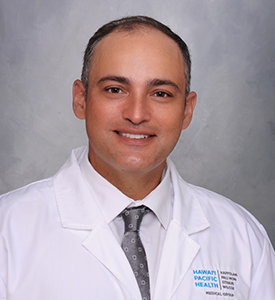
Interventional Cardiology
Pali Momi Medical Center
Straub Medical Center
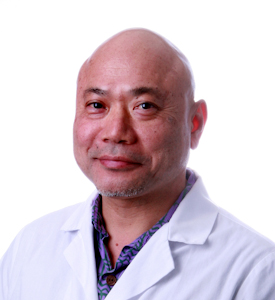
Cardiology
Wilcox Medical Center
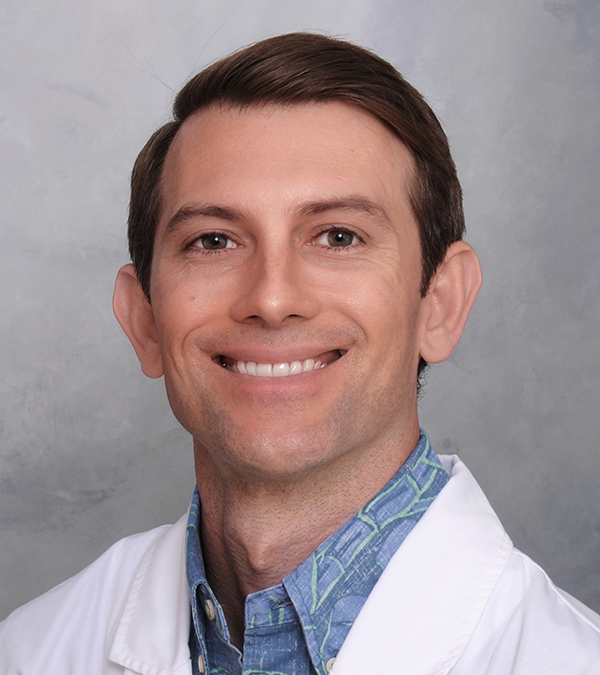
Cardiology
Kapiolani Medical Center for Women & Children
Pali Momi Medical Center
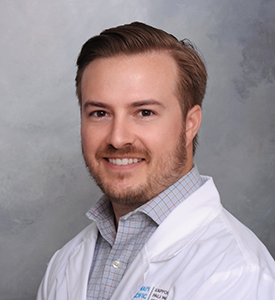
Cardiology, Internal Medicine, Cardiovascular Disease
Kapiolani Medical Center for Women & Children
Pali Momi Medical Center
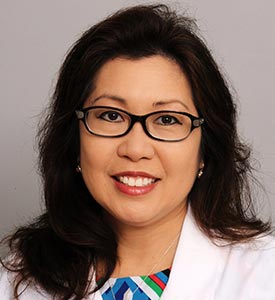
Cardiology
Kapiolani Medical Center for Women & Children
Straub Medical Center
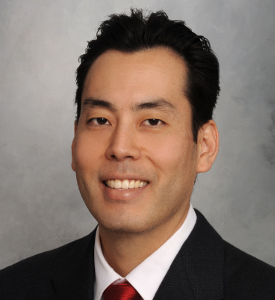
Interventional Cardiology
Kapiolani Medical Center for Women & Children
Pali Momi Medical Center
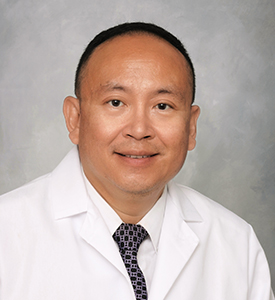
Cardiology, Cardiovascular Imaging
Pali Momi Medical Center
Straub Medical Center
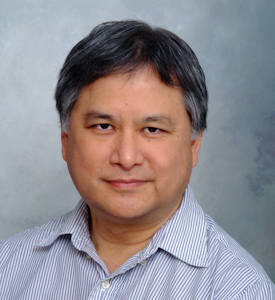
Interventional Cardiology
Kapiolani Medical Center for Women & Children
Pali Momi Medical Center
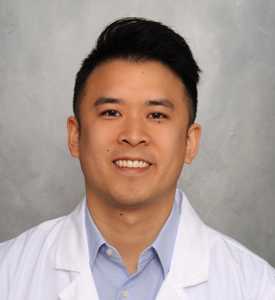
Interventional Cardiology
Kapiolani Medical Center for Women & Children
Pali Momi Medical Center

Interventional Cardiology
Kapiolani Medical Center for Women & Children
Pali Momi Medical Center
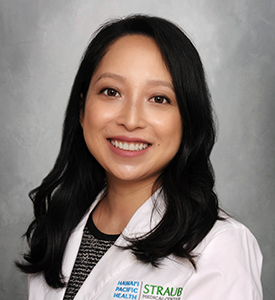
Cardiology, Heart Failure
Kapiolani Medical Center for Women & Children
Straub Medical Center
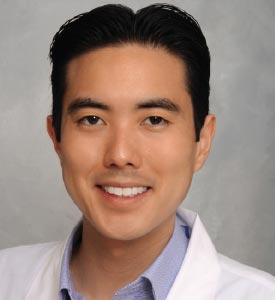
Interventional Cardiology
Straub Medical Center
Cardiology
Pali Momi Medical Center
Wilcox Medical Center
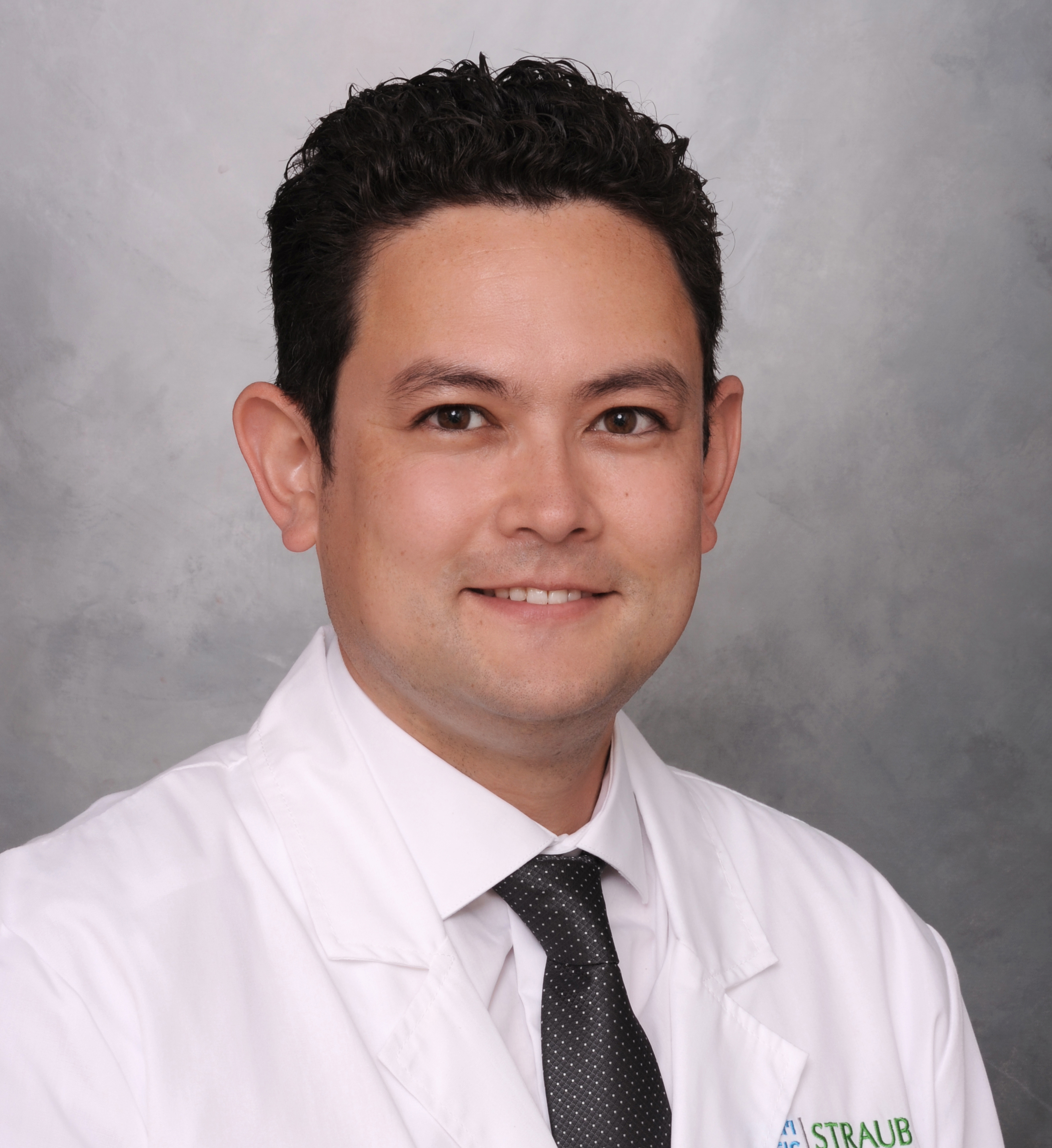
Interventional Cardiology
Kapiolani Medical Center for Women & Children
Straub Medical Center
Cardiovascular Disease, Cardiology
Kapiolani Medical Center for Women & Children
Pali Momi Medical Center
Interventional Cardiology
Kapiolani Medical Center for Women & Children
Straub Medical Center
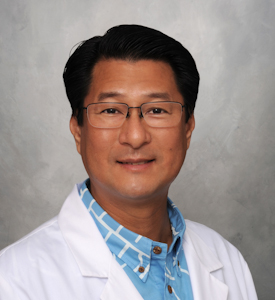
Cardiac Electrophysiology
Straub Medical Center
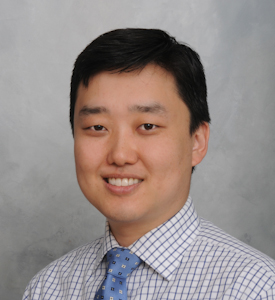
Cardiac Electrophysiology
Kapiolani Medical Center for Women & Children
Pali Momi Medical Center
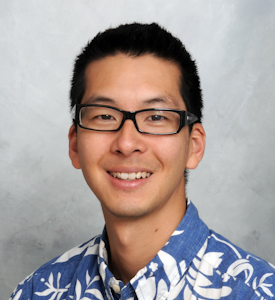
Cardiac Electrophysiology
Kapiolani Medical Center for Women & Children
Pali Momi Medical Center
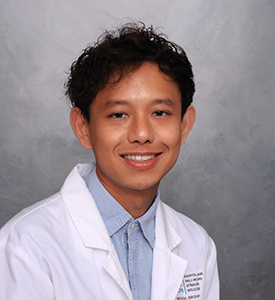
Cardiovascular Disease, Cardiac Electrophysiology, Cardiology
Kapiolani Medical Center for Women & Children
Pali Momi Medical Center
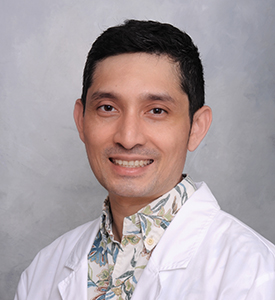
Cardiovascular Disease, Cardiac Electrophysiology, Cardiology
Kapiolani Medical Center for Women & Children
Pali Momi Medical Center
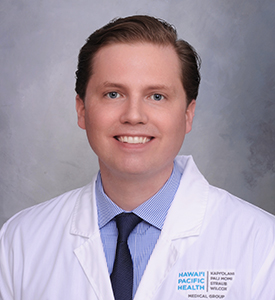
Cardiothoracic Surgery
Kapiolani Medical Center for Women & Children
Pali Momi Medical Center
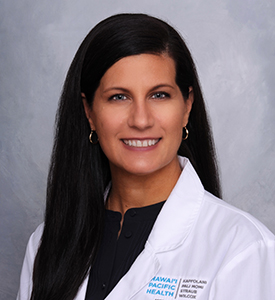
Cardiothoracic Surgery
Kapiolani Medical Center for Women & Children
Pali Momi Medical Center

Thoracic Surgery
Kapiolani Medical Center for Women & Children
Straub Medical Center

Pediatric Thoracic and Cardiac Surgery
Kapiolani Medical Center for Women & Children
Straub Medical Center
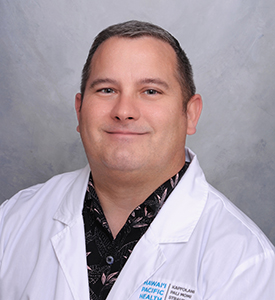
Cardiothoracic Surgery
Kapiolani Medical Center for Women & Children
Pali Momi Medical Center
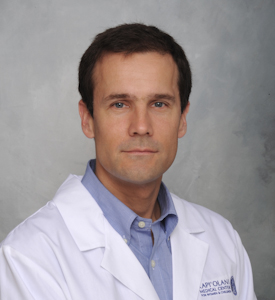
Pediatric Cardiology
Kapiolani Medical Center for Women & Children
Pali Momi Medical Center
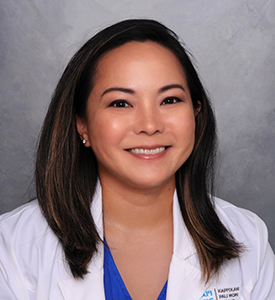
Pediatric Cardiology
Kapiolani Medical Center for Women & Children
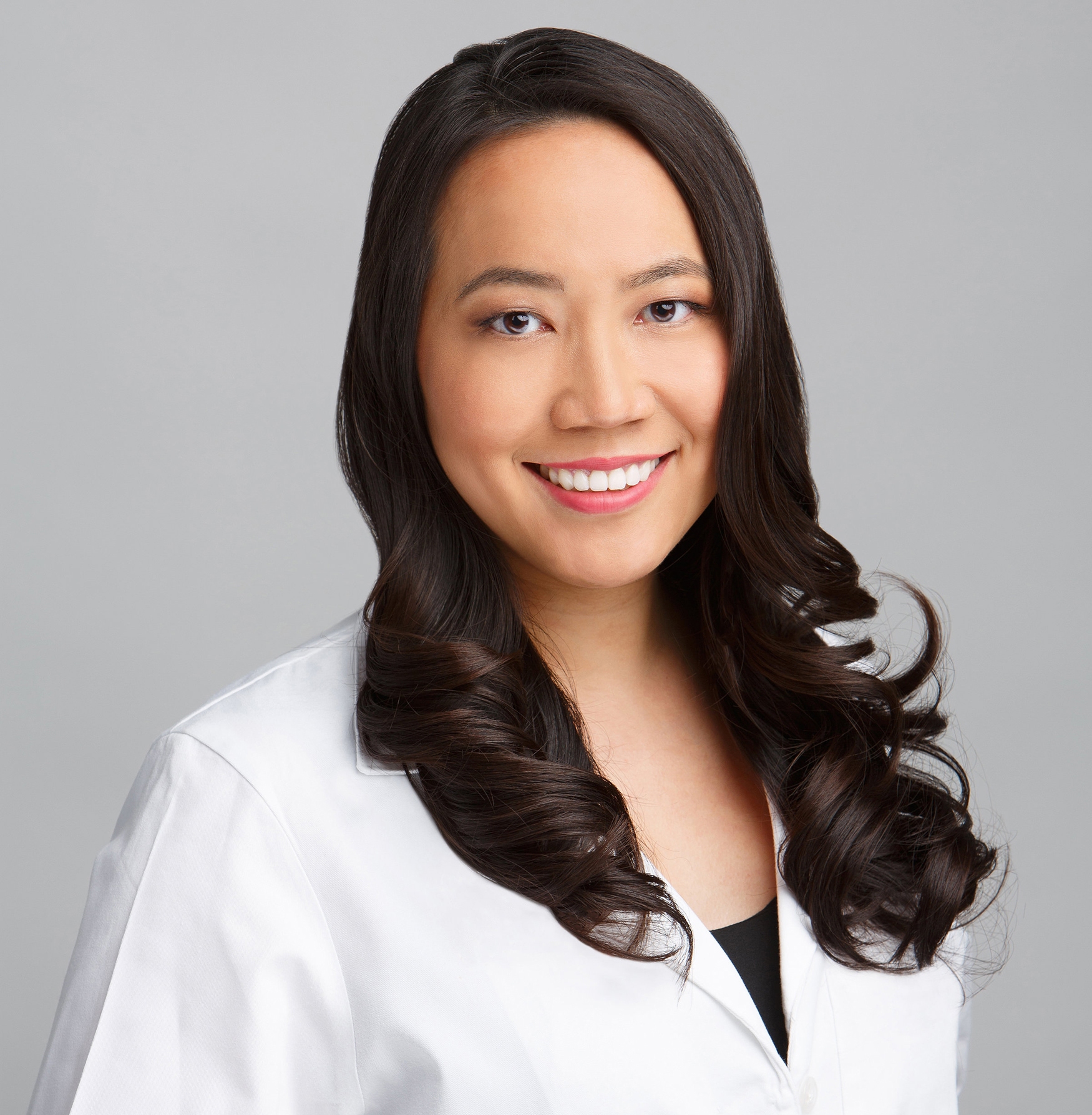
Pediatric Cardiology
Kapiolani Medical Center for Women & Children
Pali Momi Medical Center
Pediatric Cardiology
Kapiolani Medical Center for Women & Children
Pali Momi Medical Center
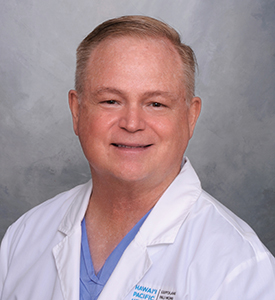
Vascular Surgery
Straub Medical Center
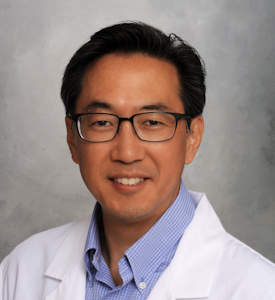
Vascular Surgery
Straub Medical Center
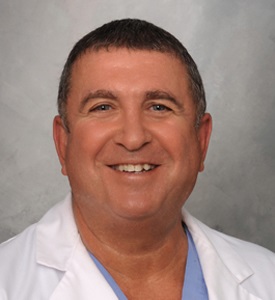
Vascular Surgery
Straub Medical Center
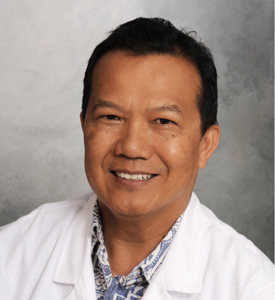
Vascular Surgery
Straub Medical Center
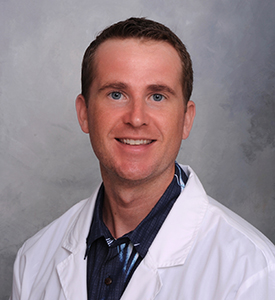
General Surgery, Vascular Surgery
Kapiolani Medical Center for Women & Children
Straub Medical Center
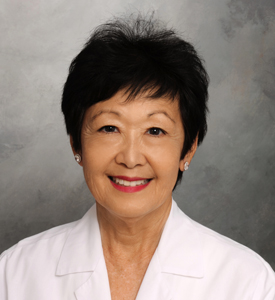
Vascular Surgery
Kapiolani Medical Center for Women & Children
Straub Medical Center


