Are Rubbah Slippahs a Footwear Flop?
By Tyler Chihara, DPM |Reviewed Jennifer King, DO
Published Tuesday, July 12th, 2016
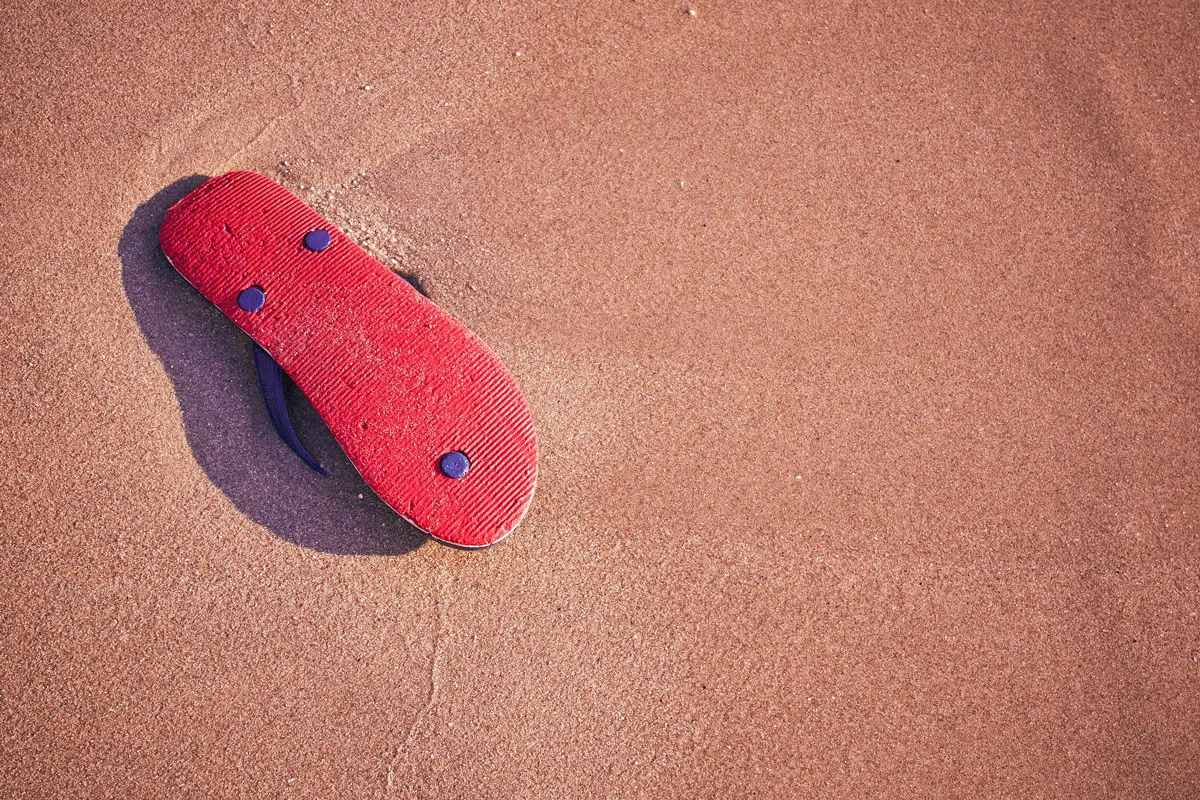
Hawaiʻi people love their rubbah slippahs!
However, this thin rubber sole offers little more than this superficial protection.
Easy to get off and on, cool, nonbinding and casual – slippers keep the dirt off our feet and give us a little protection from the rough surfaces we walk on.
Most people would much rather spend their nonworking hours out of shoes, and a thin pair of rubber slippers is as close to barefoot as possible.
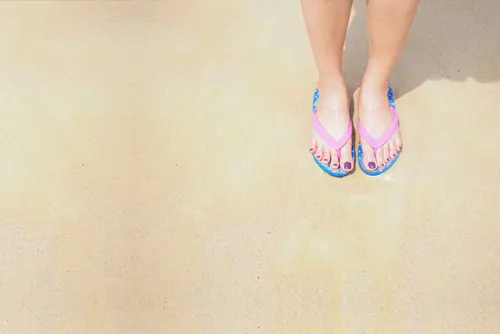
Could your favorite piece of footwear be a major health fail?
Use of rubber slippers is associated with many foot problems related to the footwear’s lack of support. Feet that are accustomed to regular support can become injured when slippers are worn for extended periods of time without giving the muscles of the arch and leg time to stretch and strengthen.
Fortunately, the growing popularity of slippers (or, in the mainland, flip-flops) has spawned many newer brands of slippers that are focused on providing more specific support.
Some have a more structural arch; some have a thick, spongy arch; and some even have a heat moldable arch.
Others can be very soft and comfortable, but lack contoured support.
I prefer slippers to offer some features that a shoe offers; the more the slipper conforms and matches the shape of the foot of the user, the better. This includes the length and width of the foot, as well as the arch and metatarsal shape.
A thicker, cushioned heel area is easy to find in women styles but difficult to find for men. A slight heel is often an easy way to reduce tension in the back of the leg and beneath the arch area.
When used in conjunction with regular stretching, a shoe with a slight heel can be very helpful for many people.
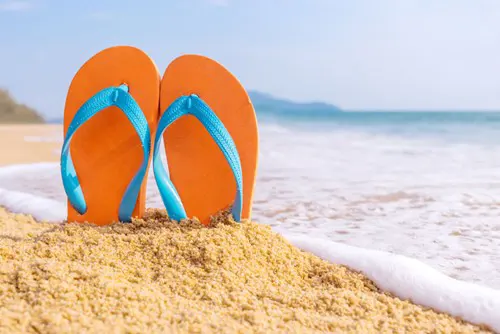
When purchasing slippers, look for ones that offer support and conform to match the shape of your foot.
When people suffer from foot pain, one of my common recommendations is often to stop going barefoot at home.
Purchasing a well-made, supportive slipper for dedicated use at home can make a big difference.
Another recommendation is to only wear slippers out of the house for short periods. Instead, a sturdy athletic shoe should be worn for those days of extended standing or walking.

Dr. Tyler Chihara is a board-certified foot surgeon with Kauai Medical Clinic. He is a member of the American Podiatric Medical Association as well as a fellow of the American College of Foot and Ankle Surgeons.

Dr. Jennifer King is a pediatric sports medicine physician with the Hawaii Pacific Health Bone & Joint Centers. She sees patients at both Kapiolani Medical Center for Women & Children and Pali Momi Medical Center. She has a special interest in dance and performance medicine, injury prevention, and the female athlete.
Additional Resources
Related Services at Hawai’i Pacific Health
Related Articles